
Thai GACP: Farm-Level Quality as the EU-Readiness Baseline
Thai GACP as the farm foundation for EU-bound medical cannabis: contamination control, genetics traceability, heavy metals, and why GACP maturity beats raw hectarage when negotiating with EU-GMP partners.
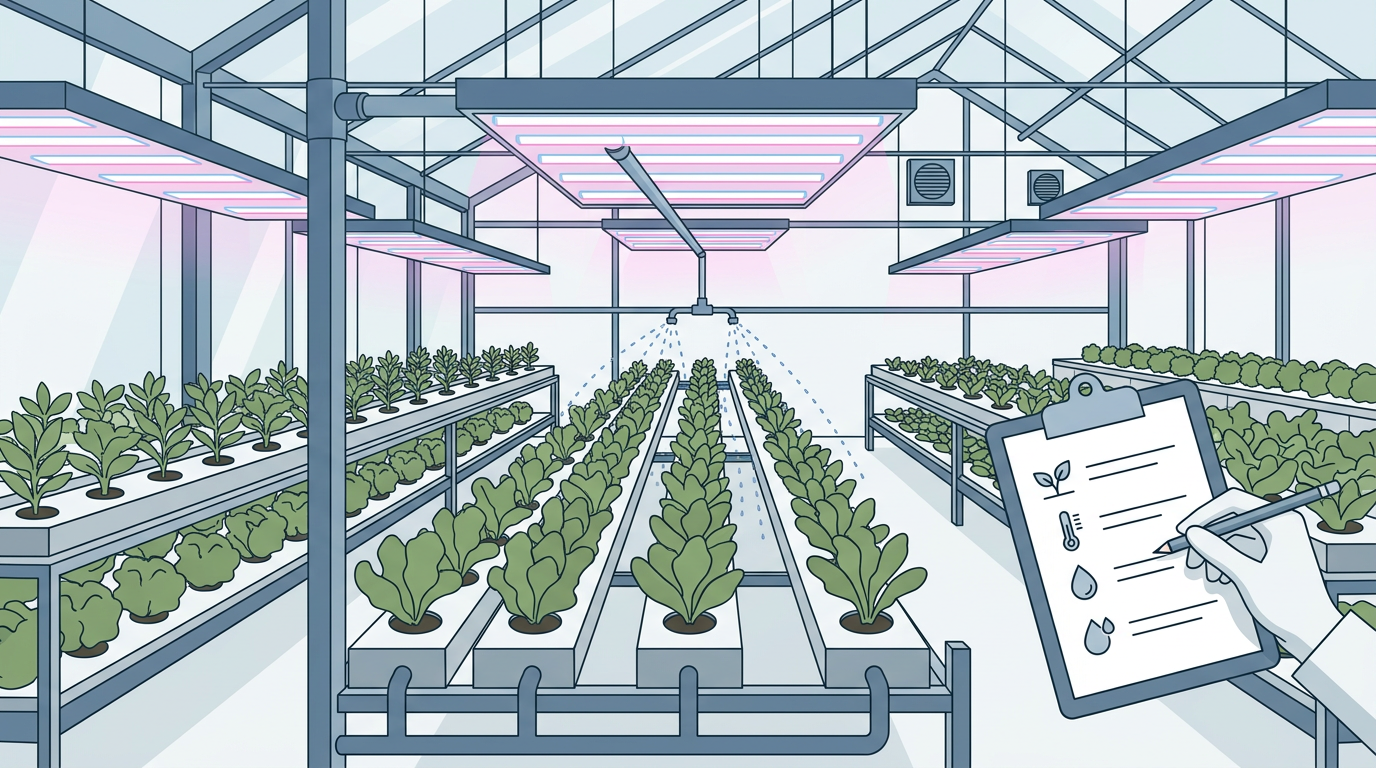
Thai GACP (Good Agricultural and Collection Practices) is the on-farm quality backbone for any credible claim that Thailand-grown medical cannabis can feed EU pharmaceutical expectations downstream. EU-GMP cannot fix bad soil history, reckless pesticide choices, or chaotic harvest identification. Importers know this; they use GACP maturity as a filter long before they fund on-site GMP audits. If you are searching for how Thai cannabis farms become EU-ready, start here: contamination control, genetic traceability, and repeatable batches.
Note: GACP is a quality discipline, not a single checkbox. Your customer contracts may impose testing panels and audit rights beyond any minimum domestic expectation.
Why EU-oriented buyers scrutinize farm data first
European pharmacovigilance and quality defect investigations often trace backward to origin. When a batch fails microbial or heavy metal limits in Rotterdam or Frankfurt, the first question is whether the farm’s environmental monitoring was trending problems early. Farms that log only pass/fail snapshots look weaker than farms that show control charts and CAPA (corrective and preventive actions) for irrigation, adjacent land use, and seasonal pest pressure.
The “origin narrative” EU auditors expect
They expect to read a coherent story: why this plot, why this cultivar, why this input program, why this harvest window, and how you know the batch is representative of what was actually collected. Disconnected data (pretty drone photos without tie to batch ID) does not substitute for traceable evidence.
Heavy metals and environmental monitoring
Soil, irrigation water, and representative plant tissue should be sampled on a risk-based calendar, not only when a buyer asks. Map upstream industrial activity, road dust, and historical agricultural inputs. EU toxicology reviewers care about cadmium, lead, arsenic, and mercury trends—not single-point luck.
Tiering plots by environmental risk
- Tier A: Adjacent to highways, industry, or legacy burn/agricultural practices → quarterly trending minimum during active cultivation
- Tier B: Buffered plots with stable historical data → semi-annual or annual with trigger resampling after floods, fires, or neighbor land-use change
- Tier C: Greenhouse with controlled media → focus on input water, fertilizer certificates of analysis, and media replacement logs
Document GPS references or plot maps so a remote EU QA reviewer can understand spatial logic without flying to Thailand.
Restricted inputs and approved handling
Only approved plant protection and post-harvest handling practices should appear in your GACP manual. “We always did it this way locally” is not a GMP-adjacent defense. Cross-check inputs against export market MRL thinking even when Thailand’s domestic list differs.
Integrated Pest Management (IPM) documentation
Maintain scouting logs (pest counts, photos), action thresholds, material application records with rate, wind, temperature, and pre-harvest interval relative to your export spec. Blanket spraying without economic threshold narrative raises sustainability and residue risk questions simultaneously.
Cultivation records that survive audit
Your records should answer: which genetics, on which plots, across which dates, with which deviations (weather, irrigation failure, pest outbreak), and how those deviations were dispositioned. Harvest windows matter because cannabinoid and terpene profiles drift; EU specifications often assume narrow bands you can only hit if harvest timing is data-driven.
Harvest day execution checklist (field team)
- Plot ID verified against planting map
- Batch ID labels on bins before first plant enters
- Start/end time and crew roster
- Weather snapshot (rain, heat stress)
- Foreign matter inspection at receiving table
- Initial weight by bin before transport to drying
Scale reality: certified capacity as a bottleneck
Certified farm capacity remains a bottleneck relative to total licence holders. Operators who achieve early GACP maturity—with digital logs, photo evidence, and third-party audits—negotiate offtake and price from a position of strength. Hectarage without logs is a commodity story; hectares with traceable quality is a pharma-origin story.
Capacity planning vs. sales promises
Build a rolling 18-month mass balance model: expected yield per cultivar, QC failure rates, retention sample carve-outs, and export buffer. Sales should not promise tonnage your certified dry capacity cannot physically process without quality collapse.
Bridging GACP language to EU importer questionnaires
Importers often send 100+ question farm dossiers. Pre-write long answers for water source, neighbor crops, worker hygiene, equipment sanitation, drying capacity, and pest management. Paste-ready narratives improve technical sales velocity and help your own team search your internal knowledge base consistently.
Suggested “evergreen annexes” to maintain
- Farm general (location, climate, elevation, surrounding land use)
- Water program (source, treatment, test cadence, worst-case results)
- Genetics (provenance, stability of naming, genetic drift monitoring if applicable)
- Compost / organic inputs (suppliers, pathogen controls)
- Waste and destruction (THC-bearing material handling)
- Worker health (GMP-adjacent hygiene rules even pre-GMP)
Common GACP gaps that delay EU partnerships
- No reconciliation between planted area, harvest weight, and dry weight
- Ad-hoc genetics renaming without change control
- Informal mother plant tracking
- Shared user accounts on digital log systems
- Missing calibration records for field scales
FAQ
Is GACP legally required for every Thai exporter?
Requirements depend on domestic rules and customer contracts. Practically, EU buyers treat GACP evidence as mandatory regardless of minimal legal wording.
Can one farm serve multiple EU buyers with different specs?
Yes, if sub-lots are physically segregated and documented from harvest onward. Commingling destroys buyer-specific claims.
What photo evidence should we routinely capture?
Plot markers, harvest bins labeled with batch, cleaned drying racks, and sealed packaging—dated and GPS-stamped when possible.
How often should we repeat soil testing?
Follow risk tiers: high-risk plots more frequently; stable plots on a defined annual or biennial cycle with trend review each season.
Do EU partners accept Thai-only lab reports for farm-stage testing?
Often for screening, but importer-specified labs or split samples may be required for first commercial lots. Document chain of custody for split sampling meticulously.
What is the fastest way to fail a farm audit?
Missing reconciliation between planted area, harvested weight, and stored inventory. Treat mass balance as a weekly management metric, not an annual surprise.
Should we invest in in-house labs early?
Depends on volume and turnaround needs. A hybrid model—in-house water/soil screening plus accredited third-party for release—is common. Document method alignment between sites.
How do we handle neighbor pesticide drift allegations?
Incident forms, downwind sampling if warranted, photographic evidence, and timely customer notification if spec could be affected. Silence is the worst optics.
Can regenerative practices substitute for documentation?
No. Regenerative claims amplify marketing but do not replace test results and maps. Show the science, not only the story.
What cultivar count is “too many” for EU consistency?
There is no magic number—too many is when you cannot trend CQAs per SKU with statistical confidence. Rationalize SKUs before scaling export.
How should we document irrigation during drought restrictions?
Permit references, volume logs, source switching, and impact on nutrient program. Water stress changes chemotype; note it in batch narrative.
Who approves harvest “go” after a pest outbreak?
Define QA + agronomy joint sign-off when spray events occur within pre-harvest windows. Agronomy-only release invites GACP weakness.